
Does a Pulpotomy Hurt? What Worried Parents Need to Know Now
Hearing that your child needs treatment inside a baby tooth can sound frightening. The first question is usually, does a pulpotomy hurt? Once the tooth is fully numb, your child should not feel sharp pain. They may notice a quick pinch, pressure, vibration, water, or noise. Mild soreness can appear later, but it should improve.
Does A Pulpotomy Hurt?
A pulpotomy should be comfortable after the dentist confirms the tooth and nearby gum are numb. However, children may describe pressure, pushing, buzzing, or an unfamiliar feeling as pain, especially when they are anxious.
So, is pulpotomy painful? Numbing may cause a brief pinch, and the tooth may feel tender later. Sharp pain during treatment is not expected. The goal is to remove the damaged area causing the toothache while preserving the healthy part of the baby tooth.
What Is A Child Tooth Nerve Treatment?
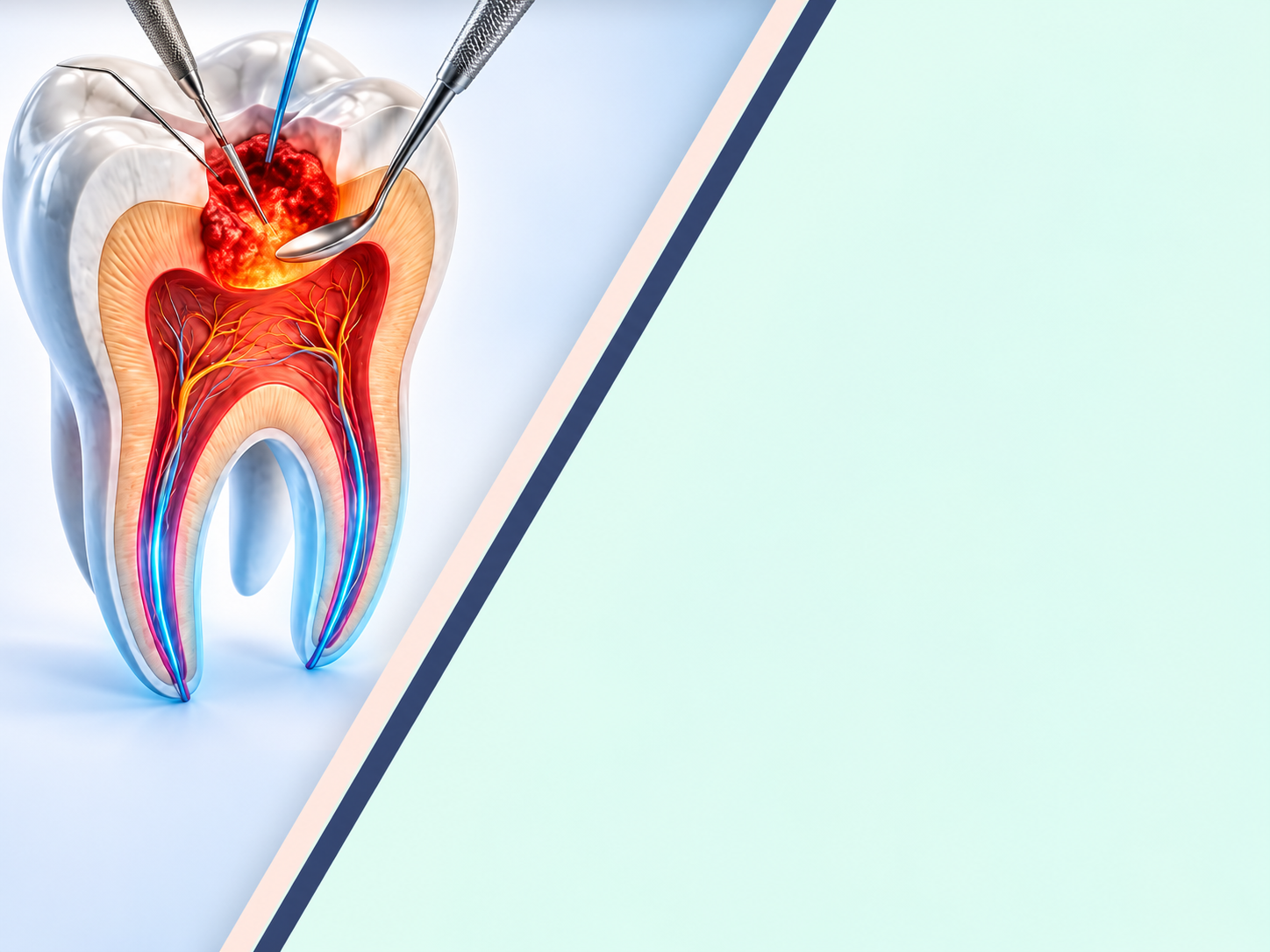
A pulpotomy is a child tooth nerve treatment used when a deep cavity or injury reaches the soft area inside a baby tooth. The dentist removes the damaged portion, cleans and protects the remaining tooth, and seals it.
Learn more about pulpotomy treatment for children and why it may be recommended instead of removal. It is sometimes called a “baby root canal,” although it is less extensive than an adult root canal.
What Will Your Child Feel During A Pulpotomy?
Knowing the likely sensations can make the appointment less frightening.
While The Tooth Is Numbed
The dentist may place numbing gel on the gum first. Your child may then feel a brief pinch, pressure, or stinging as the medicine is given. Slow delivery and distraction can help.
While The Tooth Is Cleaned
During the pulpotomy procedure child patients may hear buzzing and feel water, suction, vibration, or gentle pressure. These sensations may feel strange, but they should not feel sharp. The dentist can pause and check the numbness if your child reports pain.
When The Appointment Ends
The cheek, lip, or tongue may feel heavy for a few hours. Supervise your child so they do not chew or scratch the numb area. Avoid hot foods and chewing until normal feeling returns.
How Pediatric Dentists Control Pain
Numbing medicine controls tooth pain. Calming methods reduce fear and help a child sit safely. Calming medicine does not replace proper numbing.
Based on the child’s age and anxiety, the dentist may use simple explanations, breathing, distraction, breaks, or sedation dentistry for children. Dr. Tiffany helps parents understand which comfort approach fits their child instead of using one plan for everyone.
How Long Does Pulpotomy Soreness Last?
Baby root canal pain is usually mild after numbness wears off. The tooth or nearby gum may feel tender that evening, especially while chewing. Discomfort often improves over one to three days.
Follow the dentist’s pain-relief directions. Contact the office if pain becomes stronger, repeatedly wakes your child, or does not begin to settle. Research confirms that some children experience discomfort after treatment, so honest preparation is better than promising no soreness.
How Parents Can Prepare A Child
Before The Visit
Use calm words: “The dentist will make your tooth sleepy, clean the part making it hurt, and cover it so it stays strong.”
Avoid painful adult dental stories or promising that your child will feel nothing. Explain that they can raise a hand if something feels sharp. Bring a comfort item and follow eating instructions when a calming option is planned. Dr. Tiffany can guide parents on how much detail suits the child’s age and worries.
After The Visit
Watch your child until the numbness is gone. Offer soft, lukewarm foods such as yogurt, applesauce, eggs, mashed potatoes, or pasta. Avoid sticky, crunchy, and hard foods.
Brush gently around the treated tooth. When a crown is placed, follow the care advice for pediatric dental crowns.
When Pulpotomy Pain Needs A Call
Call the dentist for increasing pain, facial or gum swelling, fever, pus, a bad taste, or a loose crown. Trouble swallowing or breathing requires urgent help.
The Cleveland Clinic pulpotomy recovery guide also recommends contacting a dental provider for severe pain or swelling. For sudden problems, emergency dentistry for children can provide timely guidance.
Is Saving A Baby Tooth Worth It?
Baby teeth support chewing, speech, and space for adult teeth. Saving a restorable tooth may prevent early tooth loss and nearby teeth shifting into the opening.
A badly damaged tooth may still need removal. The dentist uses an exam and X-rays to compare tooth-saving care with extraction. Restorative dentistry for children repairs teeth when enough healthy structure remains.
What To Remember About Pulpotomy Pain
So, does a baby root canal hurt? Your child may feel a brief pinch while being numbed and mild tenderness afterward, but treatment should not cause sharp pain once the tooth is numb. Prepare your child honestly, follow aftercare directions, and call if discomfort worsens or comes with swelling, fever, or drainage.
Why Choose The Little Smile Loft Pediatric Dentistry?
At The Little Smile Loft Pediatric Dentistry, Dr. Tiffany helps children feel prepared by explaining each step in simple language and guiding parents through comfort and recovery choices. The team focuses on calm visits, clear answers, and age-appropriate care so families understand what to expect before, during, and after treatment.
Baby Root Canal Pain FAQs
Does A Baby Root Canal Hurt More Than A Filling?
Both treatments use numbing medicine. A baby root canal may take longer and cause more tenderness than a pediatric dental filling because the dentist works deeper inside the tooth. Sharp pain is not expected once the tooth is fully numb.
Will The Numbing Shot Hurt My Child?
Your child may feel a quick pinch, pressure, or stinging for a few seconds. Numbing gel, slow delivery, distraction, and calm coaching can help. Tell the dentist about any difficult numbing experience.
Can My Child Return To School?
Many children can return after a simple appointment if they feel alert and comfortable. When laughing gas or stronger calming medicine is used, follow the dentist’s advice and avoid sports until recovery is complete.
Will My Child Need A Crown?
A crown is often placed after baby tooth nerve treatment because the tooth has lost strength. It protects against cracking, supports chewing, and keeps the baby tooth in place until it is ready to fall out.
What If My Child Feels Pain During Treatment?
Ask your child to raise a hand for sharp pain. The dentist can stop, check the numbness, and allow more time or give additional numbing medicine. Pressure is common, but treatment should not continue through sharp pain.

Nurtured Smiles
Lifelong Confidence
Your child deserves the very best. From their teeth to their confidence in every smile, we’re here to give your child a bright beginning to dental care. Get in touch with us today – we can’t wait to show you how fun and easy dentistry can be!